
A Doha, Qatar-based professor said life for her family was suddenly upended as explosions from the U.S. and Israel‑Iran war reached Qatar’s capital, forcing them into days of sheltering in place and difficult conversations with their children.
Christina Paschyn, an assistant professor at Northwestern University in Qatar, said her family has barely left their home since the first blasts. They’ve even got a makeshift shelter for their kids.
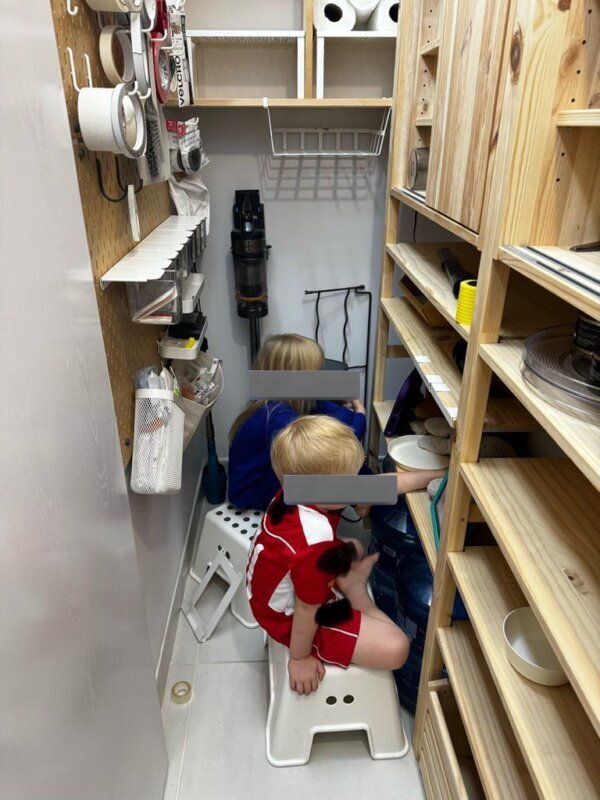
“We try to just stay away from the windows all day. There’s a small pantry we have in our kitchen, which is like a cupboard. It’s narrow, but it’s long. So, whenever we do hear explosions above, we try to get our kids into that pantry right away,” Paschyn said.
At first, she said, they tried to shield their young kids from the truth.
“We told them it was a thunderstorm, that there’s a big storm coming and we just have to hide from it,” she said.
But after a few days, they explained more about what is going on.
“On the third day, we told them the truth in a friendly way, that these two countries are mad at each other and they’re going to be trying to, like, hurt each other with fireworks,” Paschyn said.
She said the shock among families in Doha is real.
“It is a shock. You just don’t expect it to come to Doha, 15 years of relative peacefulness, right? Nothing ever happens. It’s very, very quiet and kind of like an isolated bubble of safety,” Paschyn said.
She also said many Americans there feel blindsided and are left frustrated.
“It’s just the lack of preparation America seemed to have in warning any of its citizens that this was coming,” she said.
As rumors spread about possible evacuation flights for Americans, Paschyn said she called the State Department to try to get answers.
“The agent was very nice, but he said it’s misinformation. These claims that there are going to be chartered planes for Americans — complete misinformation. It’s not happening,” Paschyn said.
Before she could even reach a person, she said the hotline’s first message caught her off guard.
“First you get an automated message that says, do not count on America to help evacuate you,” she said.
On Tuesday, the State Department said on its website that it’s “facilitating charter flights from the United Arab Emirates, Saudi Arabia, and Jordan for American citizens, and will continue to secure additional capacity as security conditions allow.
Commercial flights, Paschyn said, are either booked, risky, unreliable or very expensive. For now, they’re following guidance to stay inside and wait.
“Nothing’s foolproof. … Things have gotten past these defense systems before, so, you know, we’re still being vigilant,” Paschyn said.
The State Department said that those in countries lacking commercial flight availability, it’s “facilitating travel to third countries as conditions allow.”
She said Northwestern is advising staff to stay in place for now, but it does have an evacuation plan if it becomes necessary.
So, for now, Paschyn and her family remain near their pantry shelter each day, hoping conditions don’t worsen but knowing that if they do, they may have to consider an escape.
“If it got really bad, we would have no choice but to do that,” she said.